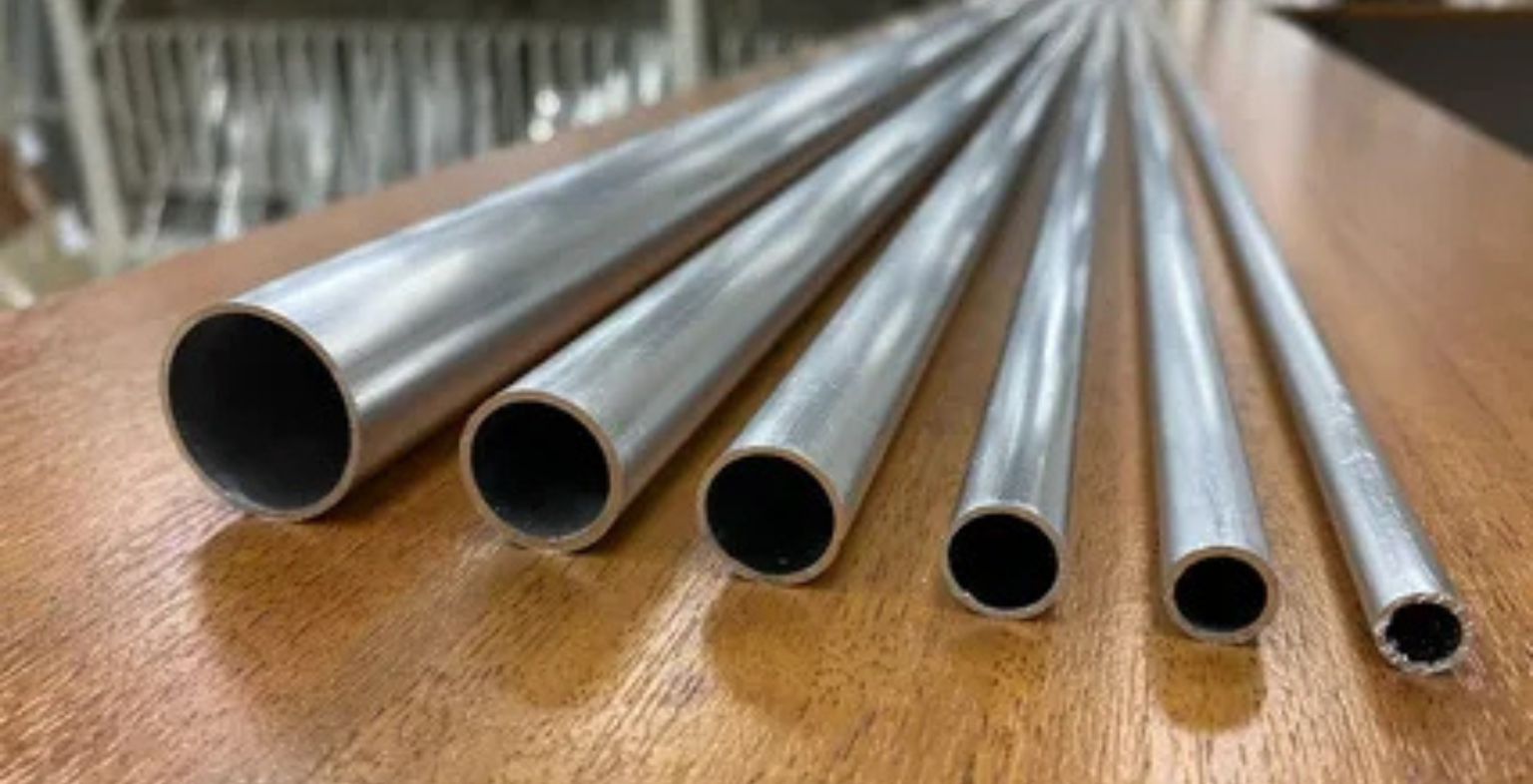
Monel 400 Tubes operate across offshore platforms, desalination plants, and shipboard piping where seawater contact doesn’t halt. Marine engineers choose this nickel-copper alloy for its corrosion resistance, yet seawater is not a single, predictable medium. A tube in a fast-moving cooling line behaves differently than one sitting in a dead leg or shutdown loop. This blog explains how water movement and oxygen exposure change the way Monel 400 Tubes perform in flowing versus stagnant conditions.
Understanding Seawater Corrosion and How Monel 400 Responds
Seawater constantly circulates through the pipes, removing debris and dissolved oxygen from the tube surface. In dead legs or in low velocity zones, the water remains stagnant for long periods of time, and in these areas reactions consume the oxygen before it can be replenished by diffusion. In both cases, the chloride ions remain concentrated, but oxygen depletion will increase corrosion wherever there are localized imbalances. The degradation of metals is determined by the availability of oxygen and salt concentration.
Monel 400 meets this chemistry with roughly 63 to 70 % nickel and 28 to 34 % copper, resisting chloride attack better than standard stainless steel grades. Nickel provides general corrosion resistance, while copper adds resistance to seawater. This composition lets a Monel 400 ERW Tube hold structural integrity in continuous seawater service, including velocities up to 4.5 meters per second in cooling applications.
Why Monel 400 Tubes Perform Differently in Flowing and Stagnant Seawater
Water movement changes almost every corrosion variable at once. The sections below break down oxygen exposure, deposit formation, flow velocity, biological growth, heat transfer, and maintenance demands under each condition.
Oxygen Availability and Corrosion Behaviour
Flowing seawater replenishes dissolved oxygen at the tube wall, helping the protective oxide film reform after minor disruption. Stagnant water depletes oxygen within days in enclosed sections. This shift produces localized oxygen-deficient zones where the passive film weakens. Corrosion rates in these zones can exceed those in flowing lines, even with similar overall water chemistry.
Deposit Build-Up in Stagnant Water
Sediment, marine organisms, and suspended particles settle wherever velocity drops below roughly 1 meter per second. These deposits trap chlorides against the tube surface and block oxygen diffusion beneath the layer. Under-deposit corrosion can develop within weeks in warm coastal water. Periodic flushing or mechanical cleaning during shutdowns keeps deposit thickness in check.
Flow Velocity and Protective Surface Film
Moderate flow between 1 and 3 meters per second distributes oxygen evenly and keeps the oxide film intact. Velocities above roughly 4.5 meters per second can erode that layer through impingement attack, particularly at bends. Very low velocities let deposits settle instead. Balanced flow conditions extend service life more than either extreme.
Biofouling and Microbial Growth
Barnacles, algae and sulfate-reducing bacteria colonize stagnant or slow-moving seawater far more readily than fast-flowing lines. These organisms create oxygen-depleted microenvironments on the metal surface, a condition that accelerates microbiologically influenced corrosion. In warm water, colonies can develop within 2 to 3 weeks. Regular cleaning and occasional flow cycling will prevent any negative impact on performance from colonization.
Heat Transfer Efficiency
Clean tube surfaces in flowing seawater transfer heat close to design specifications. Deposits and biofilm in stagnant sections act as insulation, cutting heat transfer coefficients by 15 to 30 percent in fouled exchangers. This drop forces equipment to work harder to maintain output. Regular flow and periodic cleaning keep thermal performance near the design rating.
Service Life and Maintenance Requirements
For continuously flowing water over tubes, the inspection must be done at longer intervals because the deposits and oxygen depletion will take longer. Low areas and dead legs require more frequent visual and ultrasonic thickness measurements, especially in stagnant water. Operators can detect localized corrosion before it leaks by using inspection schedules that are based on the actual flow conditions.
Selecting the Right Tube for Marine Applications
Chemical composition, wall thickness and manufacturing quality are specific requirements for seawater, and specification accuracy is more important than general alloy selection. Buyers are required to check the mill test certificates and hydrostatic test records prior to installation. Having a long experience of working with a known Monel 400 Tube manufacturer can ensure that tolerances and the heat treatment records are compatible with the application.
Best Practices for Maximizing Tube Performance in Seawater
Consistent operating practices protect tube integrity across flowing and stagnant seawater conditions. These five measures reduce localized corrosion risk over time.
- Maintain proper seawater circulation to limit oxygen depletion at the tube wall.
- Prevent prolonged stagnation wherever possible by cycling flow through idle lines.
- Schedule routine inspections using ultrasonic thickness testing at dead legs and drains.
- Remove marine deposits regularly through mechanical cleaning or controlled flushing.
- Select the correct tube specification based on flow velocity and pressure.
Conclusion
Flowing and stagnant seawater create different corrosion environments for the same alloy. This is due to the availability of oxygen, deposit formation and biological growth. Detection of these differences during system design helps protect tube integrity over the entire service life of the equipment. Sourcing from a qualified Monel 400 Tube Supplier like Metal Yard helps ensure dependable performance and reduced maintenance across marine applications.