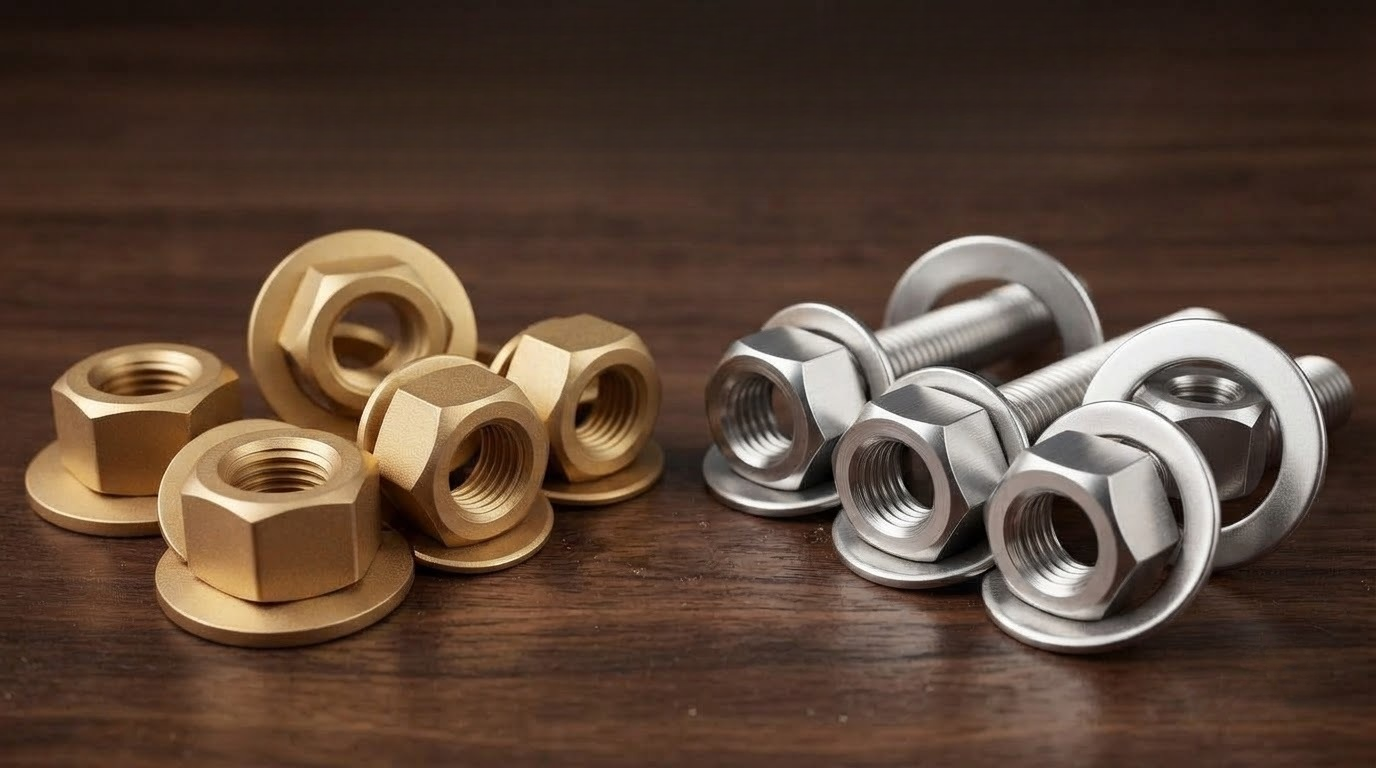
Operating in a marine environment presents a unique set of challenges that most land-based industries never encounter. The constant presence of saltwater, high humidity, and aggressive chlorides creates a situation where metal components are under a continuous chemical attack. Rust is the most obvious sign of failure, but internal structural degradation is often more dangerous. Selecting the correct fasteners is critical for the safety and long-term durability of any vessel, offshore platform, or coastal structure. If a single bolt fails due to corrosion, the entire assembly is at risk of collapse or mechanical breakdown. SS 316 Fasteners are the primary solution to these environmental threats because of their specific chemical properties.
What Are Stainless Steel 316 Fasteners?
Stainless Steel 316 fasteners are special hardware parts made from a type of stainless steel called an austenitic alloy. This steel contains chromium, nickel, and, most importantly, molybdenum. The molybdenum content, usually between 2% and 3%, is what sets 316 apart from more common grades like 304. This chemical addition is precisely why industry professionals refer to it as “marine grade stainless steel.” Grade 304 is suitable for kitchens and indoor furniture, but it lacks the chemical resistance needed for the sea. SS 316 offers a higher level of protection against corrosive elements. The internal structure remains stable even when the fastener is subjected to harsh industrial cleaning agents or direct ocean spray.
Why SS 316 is Ideal for Marine Applications
SS 316 is commonly used in marine projects because it resists rusting in saltwater very well. Salt in seawater can cause small, hard-to-see forms of damage to metals, known as pitting and crevice corrosion. The molybdenum in SS 316 helps prevent this kind of damage. These fasteners also have high tensile strength, so they can support heavy loads without bending or breaking. The fasteners do not have to be replaced often due to their durability. This keeps maintenance low and saves time and labour costs over the life of the project. These parts also handle changes in temperature well and stay strong in wet, humid conditions.
Types of 316 Fasteners Used in Marine Projects
- Bolts: Used to join heavy plates, engines, and structural frames.
- Nuts: Paired with bolts to hold tension and keep connections secure.
- Washers: Spread the load over a wider area and help protect the surface material.
- Screws: Used to fasten smaller parts or to attach hardware to boat decks.
- Stud bolts: Commonly applied in high-pressure flange joints and piping systems.
- Anchors: Create a solid attachment point for structures fixed into concrete or the seabed.
- Threaded rods: Provide flexible fastening over long spans where regular bolts are not long enough.
How to Select the Right Stainless Steel 316 Fasteners
1. Understand the Environment
You must evaluate the specific location of your project. Is the application offshore, coastal, or fully submerged? Fasteners used on a beach pier face different stresses than those used on a deep-sea oil rig. Exposure to industrial chemicals along with seawater requires a more rigorous selection process.
2. Choose the Right Grade Variant
There is a difference between standard 316 and 316L. The “L” stands for low carbon. We suggest 316L for applications where welding is required. Low carbon content prevents carbide precipitation during the welding process, which keeps the joints strong and rust-free. Standard 316 generally works well for mechanical assemblies that do not require welding.
3. Check Strength Requirements
Load-bearing capacity is a fundamental factor. You need to calculate the tensile strength and the shear stress that the fastener will endure during operation. Marine structures often face dynamic loads from waves and wind. Ensure the hardware can handle these forces without deformation.
4. Select Proper Size and Thread Type
The thread style has to match the parts already in use to create a tight, reliable connection. Your choice of Metric, UNC, or UNF threads should follow the original design requirements. The bolt’s length and diameter must also be precise, or the joint can gradually work loose.
5. Surface Finish
A passivated finish is standard for removing surface iron and enhancing the protective oxide layer. Some projects may require polished finishes for better aesthetics or extra-coated options for extreme protection. The finish helps the metal resist environmental buildup.
6. Compliance and Standards
All fasteners should meet ASTM or ISO standards to guarantee quality. Marine safety requirements are very strict and do not allow for sub-standard materials. We ensure our products meet these benchmarks to provide peace of much-needed security.
7. Supplier Reliability
You need to verify material traceability. A reliable supplier provides documentation that proves the chemical composition of the steel. Bulk availability and on-time delivery are also essential for keeping a project on schedule.
How to Choose the Right SS 316 Fasteners Supplier
Always verify the certifications of the company you are dealing with. Inspect the hardware for any visible pitting or manufacturing defects before installation. It is wise to choose a trusted stainless steel fastener supplier who has a history of serving the marine industry. Look at the lifecycle cost of the fastener rather than just the initial price. A more inexpensive bolt that rusts in six months is much more expensive than a quality SS 316 bolt that lasts for years.
We are a reliable manufacturer, and we invite all our global patrons to our well-equipped industry. Our team of professionals and experts works hard to produce a wide range of products, including fasteners, flanges, strips, and tubes. We use high-quality alloys such as super duplex stainless steel, titanium, and duplex stainless steel. Our manufacturing process follows strict guidance so all application demands are satisfied. The raw materials we use add strength and durability to the final product.
Before shipping, we conduct several tests. These include the PMI/IGC test, hardness test, flattening/flaring test, and radiography/hydrostatic tests. We also perform chemical and mechanical tests. If you request it, we provide documentation like fumigation certification, heat treatment charts, and commercial invoices. Our infrastructure uses the latest technology to ensure machine testing is accurate. Our quality control team inspects every component before it leaves our facility. They are dedicated to performing all manufacturing processes precisely and reliably, so we consistently achieve our organisational objectives.
Selecting the correct fasteners is the most effective way to prevent structural failure in marine environments. SS 316 is the safest and most reliable choice for anyone dealing with saltwater and high humidity. It provides the strength and the chemistry needed to survive where other metals fail. Always choose components that comply with international standards and are supplied by a trusted manufacturer to prevent expensive future repairs.
If you need premium components for an upcoming project, Metal Yard is ready to assist. Reach out today to share your requirements or to get a quote from a trusted SS 316 Fasteners Supplier.