Today’s advanced engineering requires materials that can withstand severe pressure without adding unnecessary weight. As industries shift to leaner, more efficient designs, the demand for high-performance hardware has increased, leading many to choose titanium fasteners for key connections. These components provide a unique set of physical qualities that most conventional metals cannot match. Titanium stands out, as it is approximately half the weight of steel, while maintaining outstanding structural integrity under load. This blog examines titanium alloys’ mechanical benefits, exceptional ability to withstand environmental deterioration, and the industries where they are most valuable. We will further discuss how to choose the correct grades for your projects and why the source of your hardware is important for long-term safety.
What Are Titanium Fasteners?
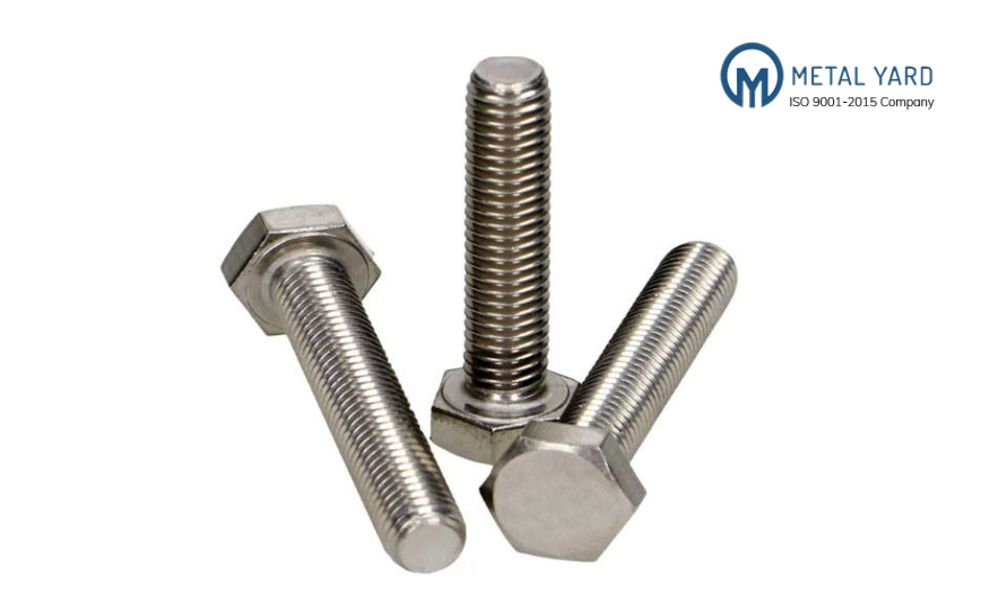
Titanium fasteners are specific hardware components made from titanium alloys that hold elements together in harsh situations. While pure titanium is used for some fundamental components, most industrial fasteners use alloys such as Grade 2 (commercially pure) for corrosion resistance or Grade 5 (Ti-6Al-4V) for high strength. These alloys are forged or machined into various shapes, such as hex bolts, heavy-duty nuts, flat washers, screws, and threaded studs. Titanium is different from steel during manufacture, so it requires precise handling to minimise galling, or thread damage. This is why selecting the components from a trusted titanium fastener manufacturer is critical for ensuring thread quality, and material purity meet international standards.
Strength and Mechanical Performance
Titanium provides a unique mechanical profile that allows engineers to push the limits of design and safety.
- High tensile and yield strength
Grade 5 titanium has a tensile strength that is equal to, or greater than that of other high-strength alloy steels. This allows these small components to carry huge loads without breaking or straining as they are in use.
- Excellent fatigue and creep resistance
Fasteners often fail due to repeated stress cycles over time. Titanium resists this “fatigue” better than most metals, ensuring the bolts don’t snap after years of vibration or temperature changes.
- High strength-to-weight ratio
This is the primary reason for choosing titanium. You get the ruggedness of steel at roughly 56% of the weight, which is a massive advantage in any moving machinery.
- Performance in high-stress environments
Titanium stays stable even when things get intense. It maintains its shape and holding power in high-pressure systems where other metals might deform or lose their grip.
Corrosion Resistance and Durability
One of the best things about titanium is its natural ability to protect itself from the elements.
Resistance to seawater, chemicals, and chlorides
- Resistance to seawater, chemicals, and chlorides: Titanium creates a thin, invisible oxide layer the moment it hits oxygen. This layer acts as a shield against salt water and aggressive acids that would eat through stainless steel.
- Oxidation and galvanic corrosion resistance: Titanium can withstand high temperatures without scaling. It also reduces galvanic action when combined, with other metals in assemblies.
- Long service life in harsh environments: Titanium bolts can last for decades, as they do not degrade. This is ideal for underwater pipes, or chemical tanks, where replacing gear is difficult and costly.
- Low maintenance requirements: One needs to paint, coat, or grease these fasteners to keep them from rusting. This saves time and money on inspections and repairs over the life of the equipment.
Industrial Applications of Titanium Fasteners
Due to their unique features, these fasteners have become the industry standard for various high-stakes applications.
- Aerospace and aviation
Planes need to be light to save fuel but strong enough to stay in the air. Titanium bolts are used in engines and airframes because they handle heat and stress perfectly.
- Marine and offshore structures
Saltwater is a metal killer, but not for titanium. It is used in desalination plants and offshore oil rigs where equipment is constantly splashed by the ocean.
- Chemical and petrochemical plants
These facilities deal with acids and high-heat processing. Titanium hardware keeps the pipes and tanks sealed tight without corroding from chemical exposure.
- Medical and pharmaceutical equipment
Titanium is biocompatible, meaning the body doesn’t reject it. It is used in surgical tools and even implants, as well as clean-room machines that need constant sterilisation.
- Power generation and renewable energy
From nuclear plants to steam turbines, these fasteners handle the heat. They are also popular in wind turbines located in coastal areas where salt air is a constant threat.
Advantages of Using Titanium Fasteners
Choosing titanium isn’t just about strength; it offers several functional “wins” for a project.
- Lightweight without compromising strength
You can reduce the total weight of a vehicle or machine significantly by swapping steel for titanium. This leads to better speed and lower energy costs.
- Non-magnetic and biocompatible
Titanium won’t interfere with electronics or MRI machines. This makes it the only choice for sensitive medical or electronic housing applications.
- Excellent thermal stability
Most metals expand and soften when they get hot. Titanium holds its dimensions and strength even at temperatures reaching 400 °C or higher in certain alloys.
- Cost efficiency over long-term use
The upfront price is higher, but the “cost per year” is lower. You won’t be buying replacements or paying for crews to fix rusted-out bolts every few years.
Titanium Fasteners vs Stainless Steel Fasteners
While both are popular, they serve very different needs when you look closely at the data.
Weight comparison
- Titanium Fasteners: Very light; density is about 4.51 g/cm³.
- Stainless Steel Fasteners: Much heavier; density is roughly 7.9 g/cm³.
Corrosion resistance
- Titanium Fasteners: Virtually immune to salt water and most acids.
- Stainless Steel Fasteners: Can pit or rust in high-chloride or marine environments over time.
Strength and temperature tolerance
- Titanium Fasteners: Stronger than most standard steel; handles extreme heat without losing its “spring.”
- Stainless Steel Fasteners: Loses strength quickly at high temperatures and is prone to “creeping” under heat.
Application suitability
- Titanium Fasteners: Ideal for high-performance, weight-sensitive, or extreme chemical applications.
- Stainless Steel Fasteners: Ideal for everyday construction, and basic food-grade applications where weight is not an issue.
Choosing the Right Titanium Fasteners Suppliers
Choosing the correct supplier has an impact on both safety and performance. Always verify material certificates and test results. These confirm the alloy grade, strength, and chemical composition. Precision manufacturing is equally essential. Tight tolerances ensure an correct fit, and load distribution. Reliable vendors conduct stringent quality control at all steps. Custom sizing and speedy delivery are extremely important, particularly for urgent projects, or unique designs. A trusted partner can help you prevent delays and failures. Working with experienced titanium fasteners suppliers gives access to technical support, consistent quality, and dependable supply for long-term industrial needs.
Conclusion
Titanium fasteners offer the ideal combination of lightweight performance and outstanding durability. From the depths of the ocean to the edge of space, these components ensure that the most essential machines work safely. While the initial cost may be more than steel, its resilience to corrosion and durability over time make it an ideal option for any professional project. By selecting the right material and working with a trusted supplier, one can ensure that the assemblies remain secure even under the most extreme conditions. For dependable and high-performance industrial fastening, choose premium titanium fasteners from a reputable manufacturer, or supplier.