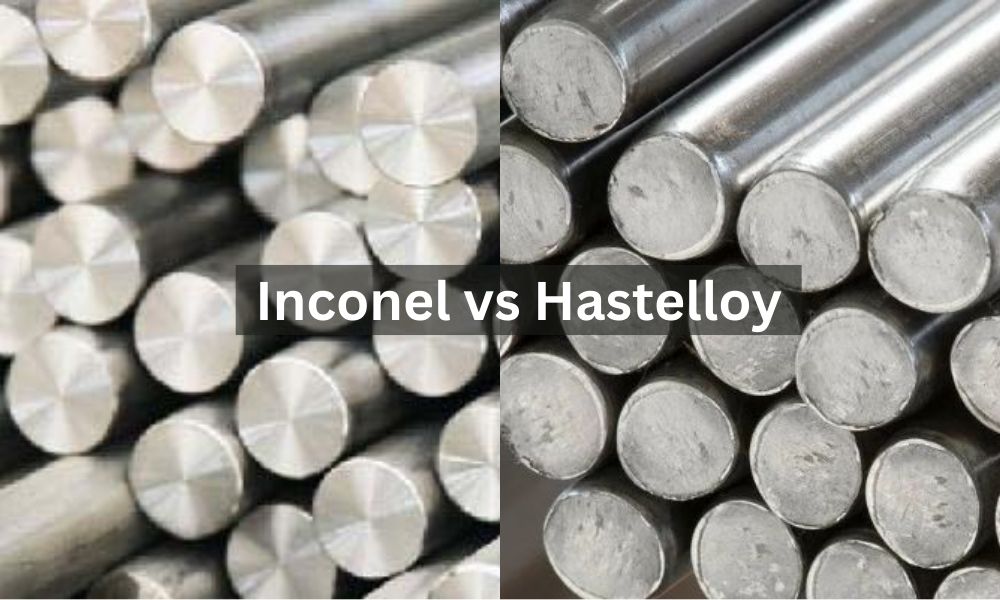
Choosing the right material for extreme heat can feel like a high-stakes puzzle. When standard steel fails, engineers often turn to nickel-based alloys. Two of the biggest names in this field are Inconel and Hastelloy. Both are famous for staying strong when things get hot and resisting rust or chemical damage. While they share a nickel foundation, they serve very different masters. One might thrive inside a jet engine, while the other lives inside a tank of boiling acid. This guide breaks down the Inconel vs Hastelloy debate to help you pick the right metal for your specific project.
Overview of Inconel Alloy
Inconel is a family of nickel-chromium alloys designed for the toughest thermal jobs. Its main ingredients are nickel and chromium, which create a protective layer when exposed to heat. This “skin” stops the metal from burning up or turning into rust at high temperatures. Most people know an Inconel alloy for its incredible strength. It doesn’t get soft or “creep” easily when the thermometer climbs. Because it stays stiff and tough, you will find it in rocket engines, exhaust systems, and high-heat industrial tools.
Overview of Hastelloy Alloy
A Hastelloy alloy is the ultimate shield against liquid destruction. These nickel-based alloys usually contain high levels of molybdenum and chromium. While they handle heat well, their real claim to fame is surviving “angry” chemicals. They are the gold standard for corrosion-resistant alloys. If you have a process involving harsh acids or saltwater, this metal is likely your best bet. It is widely used in chemical plants and marine environments where other metals would simply dissolve or pit.
Key Differences Between Inconel and Hastelloy
- Primary Defense: Inconel is your first choice for fighting extreme heat and oxidation. Hastelloy is the world leader in surviving aggressive chemical corrosion.
- Chemical Composition: Inconel relies on a high chromium content to form a protective oxide shield. Hastelloy adds significant amounts of molybdenum and sometimes tungsten to stop acid damage.
- Best Environment: Use Inconel for “dry” heat like engine exhaust or furnace air. Use Hastelloy for “wet” environments like acid baths, saltwater, or bleach processing.
- Structural Stability: Inconel maintains higher tensile strength and resists “creep” (stretching over time) better at the highest temperatures.
- Acid Resistance: Hastelloy can handle reducing acids (like hydrochloric) that would quickly eat through most Inconel grades.
Chemical Composition
The recipe for these metals dictates how they behave. Inconel uses a heavy dose of chromium to fight off oxygen. This prevents the metal from scaling or flaking off in a furnace. On the other hand, Hastelloy adds a significant amount of molybdenum. This extra ingredient is like armor against “pitting” and “crevice corrosion.” If your environment is dry and hot, chromium is your friend. If it is wet and acidic, molybdenum is the key.
Mechanical Properties
In terms of raw muscle, Inconel often takes the lead at high temperatures. It has excellent tensile strength, meaning it is hard to pull apart. It also resists fatigue, which is vital for parts that vibrate or move constantly. Hastelloy is certainly strong, but its design focuses more on staying whole rather than staying rigid. In a jet turbine, Inconel’s ability to hold its shape under pressure makes it the winner.
Corrosion Resistance
This is where Hastelloy shines brightest. It can sit in hydrochloric or sulfuric acid without breaking a sweat. It is specifically made to stop “stress corrosion cracking,” which happens when chemicals and pressure work together to break metal. Inconel is great at resisting oxidation (rust from air), but it can struggle if the chemicals get too aggressive. For a bleach plant or a deep-sea pipe, Hastelloy is the safer choice.
Temperature Tolerance
Both alloys can survive temperatures where steel would melt. However, they react differently to that heat. Inconel maintains its structural integrity up to very high limits, often exceeding 1,600°F. It won’t become brittle or weak. Hastelloy also handles high heat, but it is usually chosen when that heat is accompanied by corrosive gas or liquid. If the goal is just “staying strong in a fire,” Inconel is the standard.
Cost and Availability Considerations
Neither of these alloys is cheap. Because they use a lot of nickel and molybdenum, the price is much higher than stainless steel. Generally, Hastelloy can be more expensive due to its complex mix of elements. You must look at the lifecycle value. Buying a cheaper metal that fails in a month costs more than buying a nickel alloy that lasts ten years. Inconel is often easier to find in various shapes and sizes because it is so common in the aerospace world.
Common Grades of Inconel and Hastelloy
You will see specific numbers attached to these names. Inconel 600 is great for general heat resistance, while Inconel 625 is the go-to for welding and sea-water use. Inconel 718 is the “superstar” of the group, used in high-pressure aircraft parts. For the other side, Hastelloy C-276 is the most famous grade. It is nearly “corrosion-proof” in most industrial settings. Hastelloy C-22 is another popular choice that offers even better protection in certain oxidizing liquids.
Applications of Inconel vs Hastelloy
Industries choose between Inconel and Hastelloy based on the “threat” the metal faces. Is the threat fire or acid? That simple question usually decides the path.
Inconel Applications
Inconel is the backbone of the aerospace world. It builds the cores of jet engines and the skin of high-speed vehicles. You will also see it in nuclear reactors and high-end car exhaust systems. It works well in heat exchangers where the main goal is moving heat without the metal warping or failing under pressure.
Hastelloy Applications
Hastelloy lives in the “messy” industries. Chemical reactors and storage tanks for toxic waste rely on it. It is also a favorite for desalination plants that turn seawater into drinking water. Because salt is very corrosive, Hastelloy is one of the few metals that can handle the constant spray without rusting away.
Advantages of Inconel and Hastelloy
- Reliability Under Pressure: Both alloys provide a massive safety margin. They don’t fail suddenly when things get hot or messy, which prevents dangerous industrial accidents.
- Extreme Longevity: Parts made from these metals can stay in service for decades. This saves money on labor and replacement parts over the long run.
- Versatile Fabrication: Despite being incredibly tough, both can be welded and machined by experts. This means you can create complex custom parts like turbine blades or intricate chemical valves.
How to Choose Between Inconel and Hastelloy
To make the right choice, start with your environment. If your parts will face high stress and high heat in a mostly “clean” air environment, go with Inconel. It offers the best bang for your buck for structural strength. If your parts will be submerged in chemicals or face “dirty” exhaust gas, Hastelloy is the right move. Talk to your team about the budget and how long the part needs to last. Sometimes, paying more upfront for a Hastelloy alloy saves thousands in maintenance later. The primary Inconel vs Hastelloy choice always comes down to the specific chemical “soup” the metal lives in.
Standards, Specifications, and Testing
Quality control is vital for these metals. Most suppliers follow ASTM or ASME standards. These rules ensure the metal has the right amount of nickel and chromium. Common tests include “stress-rupture” tests to see how long it lasts under heat. Labs also use salt spray or acid baths to check corrosion resistance. Always ask for a material test report (MTR) when you buy. This proves the alloy meets the mechanical and chemical specs you need for your project.
Both Inconel and Hastelloy are elite materials that make modern industry possible. Inconel is the king of high-heat strength and oxidation. Hastelloy is the champion of surviving the world’s harshest chemicals. Your choice depends entirely on whether you are fighting heat, corrosion, or both. Understanding these differences ensures your equipment stays safe and runs longer. If you are still unsure about the best fit, reach out to a specialized metal supplier for a consultation. They can help you weigh the Inconel vs Hastelloy options for your specific high-temperature application.