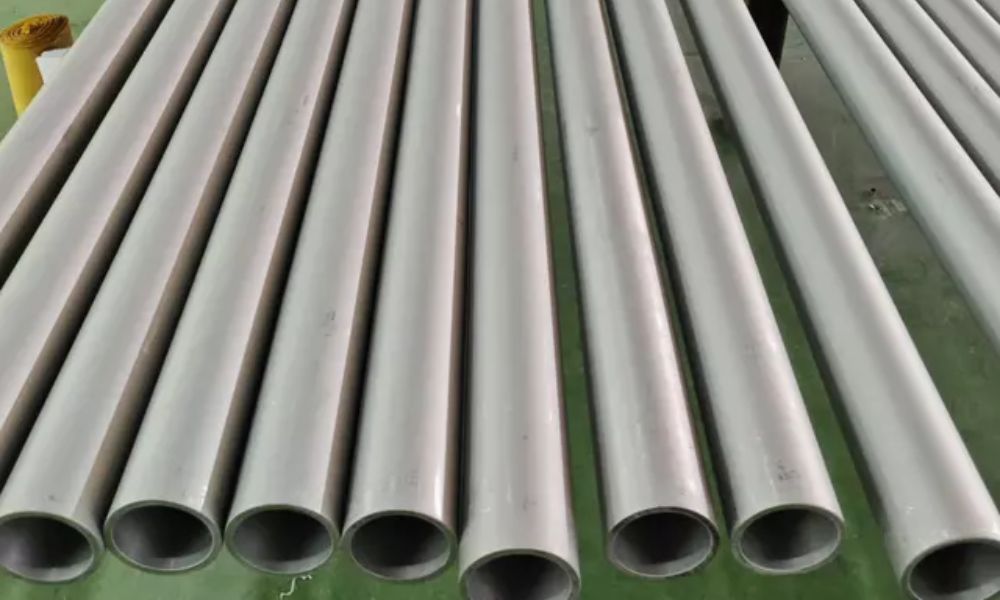
Modern plants, offshore rigs, water systems, and even large buildings now face tougher working conditions than ever. Fluids are more aggressive, pressures are higher, and downtime costs real money. This is where Duplex and Super Duplex Stainless Steel Pipes have found their place. These pipes bring together high strength, strong corrosion resistance, and steady long-term value. At Metalyard India, we supply duplex SS pipes and super duplex SS pipes to buyers who need materials that stay reliable when other grades start to struggle. Engineers like them because they are tough. Procurement teams like them because they often cut total project cost over time. That balance is why these pipes are now used across oil, gas, marine, water, and heavy industry.
What Are Duplex and Super Duplex Stainless Steel Pipes
Duplex and super duplex stainless steel pipes are made from steel that has two main phases in its internal structure. One part is austenite and the other is ferrite. This combination gives the steel more strength than regular stainless steel while also improving how it deals with corrosion.
Duplex stainless steel pipes come first in this family. They already have much higher strength than common austenitic grades like 304 or 316. They also resist cracking caused by stress and chemicals, which is a common problem in process plants.
Super Duplex SS Pipes take this a step further. They are built for harsher places, like offshore platforms, seawater systems, and chemical units where salt, pressure, and heat are always working together. The same dual-phase structure is there, but it is tuned to give even more protection and strength.
Microstructure and Metallurgical Characteristics
The balance between austenite and ferrite is what gives duplex and super duplex stainless steel pipes their edge. Austenite brings toughness and makes the steel less brittle. Ferrite adds strength and helps stop certain types of corrosion. When these two are kept in the right ratio, the pipe becomes harder to crack, harder to bend out of shape, and far better at dealing with stress corrosion cracking. This is one of the reasons duplex SS pipes are chosen for pressure systems that run for years without a break.
Key Differences Between Duplex and Super Duplex Stainless Steel Pipes
Even though they belong to the same family, there are clear working differences between duplex and super duplex grades. Duplex stainless steel pipes are often used in moderate to tough environments. Super duplex SS pipes are used when conditions turn extreme, especially with high salt or high pressure.
In simple terms, Super Duplex offers higher strength, stronger resistance to corrosion, and a longer service life in severe conditions. Duplex costs less and still covers a wide range of industrial needs.
Chemical Composition Differences
Super Duplex contains more chromium, molybdenum, nickel, and nitrogen than standard Duplex. These elements are what help the steel fight off pitting and crevice corrosion. Nitrogen also boosts strength. That extra alloy content is why Super Duplex holds up so well in seawater and chemical plants, where normal grades start to show damage.
Mechanical Strength and Performance
Both duplex and super duplex SS pipes have much higher yield strength than common stainless steel. Super Duplex goes even further. In real systems, this means pipes can be made thinner while still handling the same pressure. That cuts weight, which is useful in offshore platforms and tall structures, and it also reduces the amount of steel needed.
Corrosion Resistance Capabilities
Duplex grades already resist stress corrosion cracking far better than 300 series stainless steel. Super Duplex adds even more defence against pitting and crevice attack. This matters in places where chlorides are always present, like seawater cooling lines or desalination plants.
Cost and Availability Considerations
Duplex costs less than Super Duplex, so it is often used when conditions are demanding but not extreme. Super Duplex costs more upfront, though it can save money over time because it lasts longer and needs fewer repairs. In many long projects, that extra life more than covers the higher purchase price.
Common Grades of Duplex and Super Duplex Stainless Steel Pipes
Popular Duplex Stainless Steel Grades
UNS S31803 and UNS S32205 are widely used Duplex Stainless Steel Pipes. They have high strength, good corrosion resistance, and good weldability, which makes them suitable for oil and gas piping, chemical processing lines, and heat exchangers.
Popular Super Duplex Stainless Steel Grades
UNS S32750 and UNS S32760 are the popular grades of super duplex SS pipes. They are suitable for offshore platforms, subsea pipelines, and systems that handle hot, salty, or acidic fluids. Their higher alloy content keeps corrosion under control even in very rough service.
Key Properties of Duplex and Super Duplex Stainless Steel Pipes
Strength to Weight Ratio
Because these pipes are so strong, engineers can use thinner walls without losing safety. That means lighter pipe runs, easier handling during installation, and lower transport cost. It also helps large projects where every ton matters.
Weldability and Fabrication
Duplex and Super Duplex Stainless Steel Pipes can be welded with standard methods, though care is needed. Heat input must be controlled so the two-phase structure stays balanced. When this is done right, welded joints keep their strength and corrosion resistance. Fabricators also find that these pipes hold their shape well during forming.
Thermal and Pressure Resistance
These steels work well at both high pressure and a wide range of temperatures. That is why they are used in refineries, gas plants, and chemical units where pressure swings and heat changes are part of daily operation.
Applications of Duplex and Super Duplex Stainless Steel Pipes
Oil and Gas Industry
Offshore platforms and subsea lines rely on Duplex and Super Duplex Stainless Steel Pipes to handle saltwater, high pressure, and long service cycles. Refineries use them for piping that carries sour gas and aggressive fluids.
Chemical and Petrochemical Processing
Reactors, heat exchangers, and transfer lines face acids and high heat. Duplex grades handle many of these jobs. Super Duplex is chosen when the chemistry becomes more severe.
Marine and Offshore Structures
Ship systems, coastal facilities, and offshore rigs all fight seawater corrosion. Super Duplex is often used here because it keeps pitting and cracking under control for years.
Water Treatment and Desalination Plants
Super Duplex SS Pipes are widely used in desalination units, while Duplex pipes work well in many treatment lines.
Construction and Structural Applications
Bridges, large buildings, and exposed steelwork use these pipes when both strength and corrosion resistance are needed without heavy maintenance.
Advantages of Using Duplex and Super Duplex Stainless Steel Pipes
Long Term Durability and Low Maintenance
Once installed, these pipes stay in service for a long time due to their high corrosion resistance. This cuts repair work and keeps systems running.
Cost Efficiency Over Lifecycle
The purchase price might be higher than simple stainless steel, but fewer failures and longer life bring down total cost over the years.
Environmental and Sustainability Benefits
Because these steels are strong, less material is needed. They are also fully recyclable, which helps reduce waste across a project.
How to Choose Between Duplex and Super Duplex Stainless Steel Pipes
Environmental and Corrosion Conditions
If the system sees high salt, strong chemicals, or warm seawater, Super Duplex is the safer choice. For moderate exposure, Duplex often does the job well.
Pressure and Load Requirements
Super duplex is suitable for higher pressure or heavy mechanical loads, though Duplex still covers many high-strength needs.
Budget and Project Lifecycle Expectations
For short or medium term projects, Duplex keeps costs lower. For long running systems where failure is costly, Super Duplex is preferred.
Standards, Specifications, and Testing
Duplex and Super Duplex Stainless Steel Pipes are made to ASTM, ASME, and EN standards. At Metalyard India, we carry out tests like PMI, hardness, chemical and mechanical checks, hydro tests, and more before dispatch. Proper certification and inspection protect both the buyer and the project.
Choosing between duplex stainless steel pipes and super duplex SS pipes comes down to how harsh the job is and how long the system needs to last. Both offer high strength, strong corrosion resistance, and real value when compared with standard stainless steel. At Metalyard India, we help buyers select the right grade and supply pipes that meet strict quality needs. The right choice at the start saves trouble later, and that is what good engineering is really about.